



FinMark Trust’s CEO, Brendan Pearce, shares reflections from recent site visits to GBL pilot sites in KwaZulu-Natal and the Free State.
Over the last few weeks, I visited a few of our pilot sites in the Generating Better Livelihoods (GBL) for Grant Recipients project. This is one of my favourite things to do in my job, and it’s left several questions weighing on my mind since my visit.
GBL is piloting the graduation approach, developed by BRAC, in partnership with the Department of Social Development, South African Social Security Agency (SASSA) and the National Development Agency (NDA). At its core, the project is about connecting social grant recipients to economic opportunities while building a system that the government can adopt and scale nationally. Globally, the graduation approach has shown sustained success in helping people move out of poverty, with positive outcomes still visible years after participants exit.
But the real test of any model is what it looks like on the ground.
Travelling through KwaMashu and Mthwalume in KwaZulu-Natal, and Oppermansdorp in the deep rural Free State, I met more than 60 young people – mostly women – who are trying, in very practical ways, to build livelihoods for themselves. More than their resourcefulness, what stayed with me was their sheer determination. There is a quiet but unmistakable energy in these communities – a refusal to be defined solely by their circumstances.
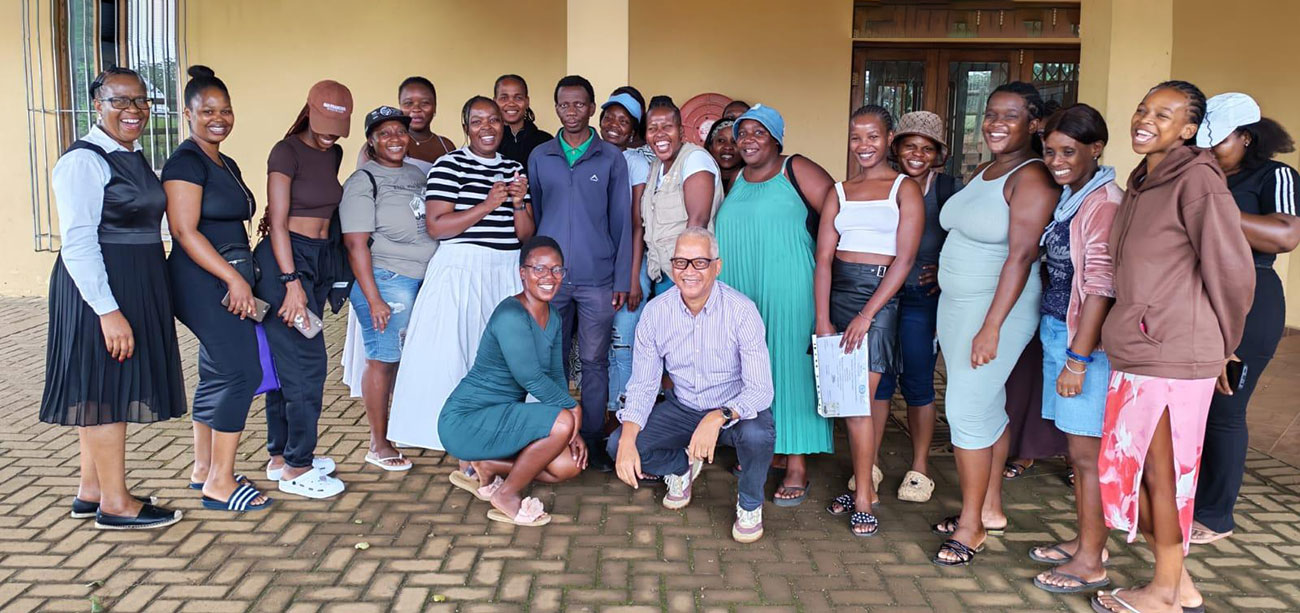
In KwaMashu, I met 23 young people participating in the project. Many of them have started their enterprises even before receiving assets, using the confidence-building and basic business training they received to start with their own savings. Several are running more than one small activity at a time, selling ice cream to scholars in the area, selling detergents, and running after-school care programmes, while waiting for their turn to receive investment. It speaks to something we often underestimate: the role of confidence and self-belief. For many of these young people, that shift is what makes starting feel possible again.
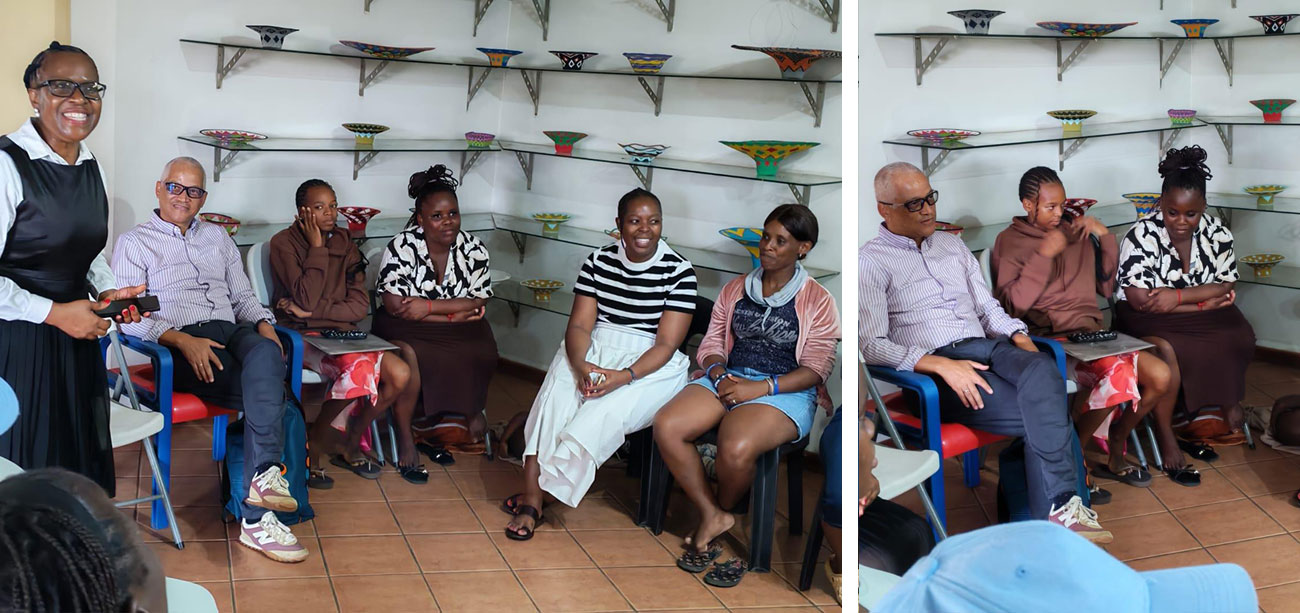
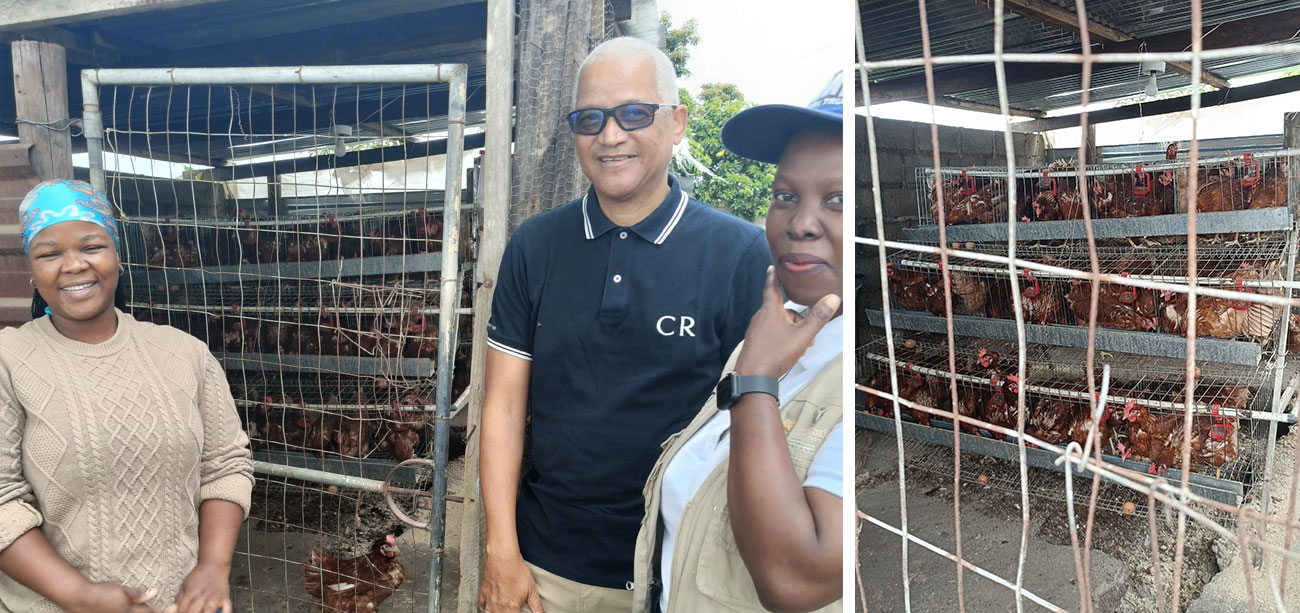
In Mthwalume, 30 participants attended the costing and pricing training provided by a facilitator from the Small Enterprise Development and Finance Agency (SEDFA). Five of them had already received assets from the National Youth Development Agency (NYDA), including sewing machines, layer chickens that produce eggs for sale in the local community, bulk detergents to repackage, brand, and sell, and farming equipment. The training felt well-timed, as some had already started selling their goods. But it also highlighted how quickly needs evolve. The challenge now is helping them refine their business models based on what they are learning in practice.
Some of the realities they face are immediate. In one case, a participant lost several chickens soon after receiving them. It could easily have set her back, but while the programme is facilitating the involvement of agricultural extension officers to provide technical support, what stayed with me was her response: she did her own research and vaccinated the remaining birds. Today, they produce around 90 eggs per day. It’s a small enterprise being built through persistence, learning and the right support arriving at the right time.
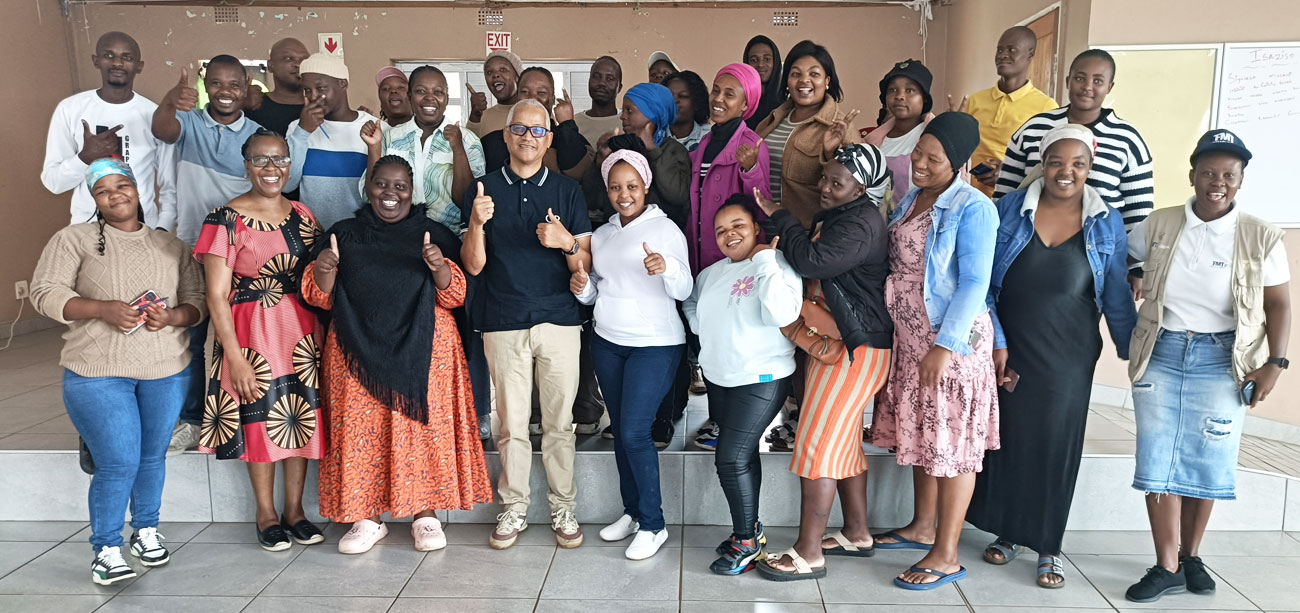
In Oppermansdorp, I met 10 participants involved in motor vehicle repair, reselling meat products, decorating for events, jewellery-making, and agriculture. Some have also found work on a local road construction project for the next two years, which provides an important source of income. But here, too, the constraints are clear. Access to land remains a major challenge, even though large farms surround them. The opportunity is visible but still out of reach.
And so, alongside these moments of progress, a set of more difficult questions lingers.
How do we meaningfully connect young people to economic opportunities in an environment where growth remains too slow to absorb them? What does it really take to support someone not just to start a business, but to keep it going – and growing – from a small, informal base? How do we rebuild a sense of possibility for those who have spent years without work, or who have seen initiatives come and go without lasting change?
These questions become even sharper in remote and underserved areas. How do people access markets where there is limited local demand? What does real coordination look like at a local level – where skills, assets, land and support come together when they are needed, and not only when systems are ready to deliver them?
For those who have already received assets, the questions shift again. What kind of ongoing support will make the difference between survival and failure? How do we ensure that inevitable setbacks don’t undo progress? How do we build systems at a local level that are responsive enough to meet people when they need it most? And crucially, how do we create a sense of urgency for local officials to act today, rather than delay action that affects people’s ability to build livelihoods?
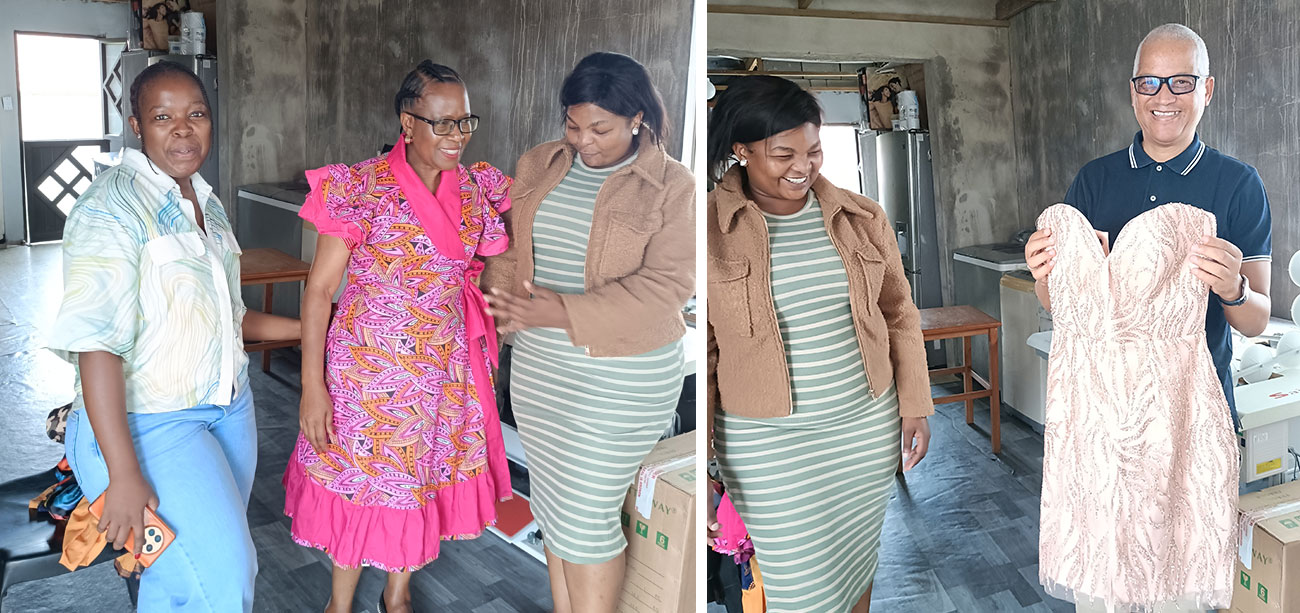
There are no easy answers. However, one thing is clear: the young people we met are not waiting. They are already testing ideas, taking risks, and trying to build something with what they have.
As we look at scaling GBL, these are not abstract considerations. They reflect the reality of what it will take to make this work – both through the participants' resilience and through systems that can match that effort with timely, coordinated support. Local officials, project teams and policymakers all have a role to play in ensuring that what is offered, whether assets, coaching, skills or access to markets, reaches people when it can make a real difference.
The risk here is one of missed opportunity. If systems don’t align with the aspirations of the people they are meant to serve, we risk more than economic outcomes. We risk the hope that programmes like this begin to rebuild.
Supporting these young people through the graduation approach is not simply a development intervention. It is an investment in livelihoods, in dignity, and in a more inclusive economy.